
Switch Language
Switch Language
Explore information about different types of cancer and how to integrate TCM into your treatment plan.
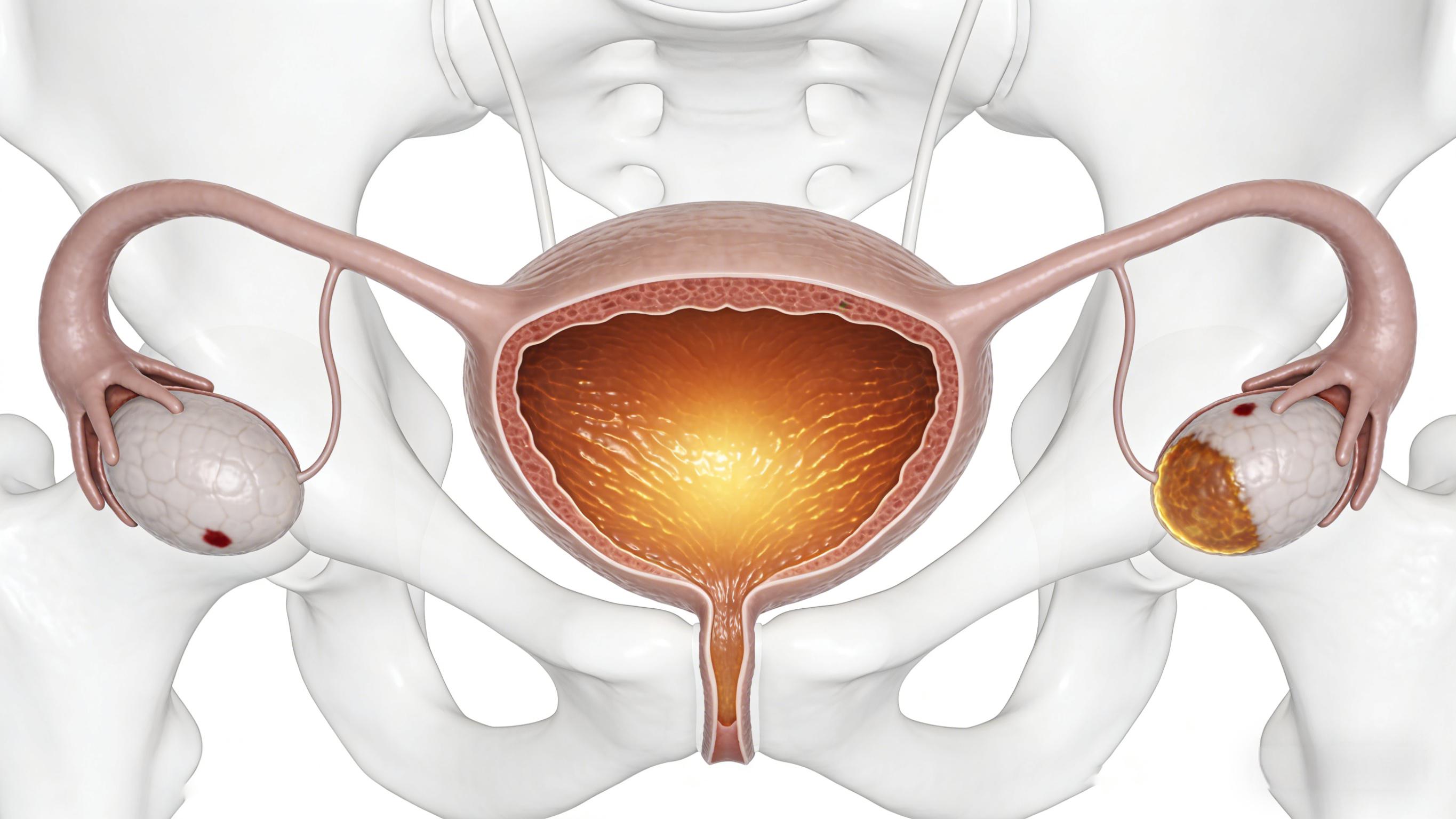
Bladder cancer is a type of cancer that begins in the cells of the bladder, which is part of the urinary system. It can develop in different parts of the bladder and may spread to other areas of the body.
In traditional Chinese medicine (TCM), bladder cancer may be viewed as a condition related to imbalances in the body's qi, blood, and fluids, often associated with dampness, heat, or stagnation. TCM approaches may focus on supporting the body's natural balance and reducing symptoms.
We cordially invite you to join our 'Daily Cancer Recovery & Repair Plan.' By dedicating just one minute each day to your inner self, you can activate your body's natural healing potential.
Herbal remedies may be used to support overall well-being and manage symptoms. They should not replace conventional medical treatment.Always consult a qualified healthcare provider before using any herbal products.
Acupuncture may be used to help manage symptoms and improve quality of life. It should be performed by a licensed practitioner.
A balanced diet may help maintain strength and support the body during treatment.
Qigong practices may help improve energy flow, reduce stress, and promote relaxation.
TCM includes multiple supportive-care approaches that may be discussed alongside conventional cancer care for symptom support and quality-of-life needs.
TCM herbal formulas are customized for each patient based on condition, constitution, and cancer type. In supportive-care settings, they may be used to address symptom burden and day-to-day wellbeing under professional guidance.
Acupuncture involves inserting fine needles at specific points on the body to regulate Qi flow and support symptom management. It is commonly used as an adjunctive supportive-care option for pain, nausea, and stress-related discomfort.
TCM dietary therapy focuses on food choices that support comfort, intake tolerance, and nutritional routines. Recommendations should be personalized by treatment stage and discussed with qualified professionals.
Qigong is a gentle form of exercise combining movement, breathing, and meditation. It is often used to support stress management, mobility, and daily wellbeing.
Tuina is a TCM therapeutic massage that aims to regulate Qi flow, improve circulation, and relieve muscle tension. It may be considered for supportive comfort care when appropriate.
TCM recognizes the close connection between emotional and physical health. Counseling, meditation, and other mind-body techniques can support coping and quality of life.
The information on this page is educational. For diagnosis or treatment choices, follow qualified clinicians.
Read personal stories from patients who used TCM as part of supportive care and found day-to-day life easier (personal experiences vary).
"As a neuroscientist with 25 years of clinical experience, I’ve witnessed countless cancer patients and their families being deceived by fraudulent immunocell therapy claims. This blog, written in anger and frustration, exposes the chaos in the field—exaggerated promises, unregulated institutions, and hidden side effects of CAR-T and TIL therapies. I share real clinical data, strict criteria for choosing legitimate hospitals, and my personal observations from hospital follow-ups, aiming to help patients avoid scams and make rational treatment choices."
"As a dermatologist with 30 years of experience in skin cancer prevention and treatment, I have seen too many patients regret not getting screened early. In 2026, with the explosive development of cancer screening technologies such as liquid biopsy and AI imaging, many people fall into a dilemma when choosing screening methods—afraid of wasting money or missing a diagnosis. This blog, based on the hospital follow-up scenario, popularizes cutting-edge 2026 cancer screening technologies, explains their accuracy, applicable groups, and cost-effectiveness in plain language, provides age-specific screening strategies, shares clinical cases, and reminds everyone to avoid common pitfalls, guiding people to shift from passive discovery to active prevention."
"This blog, based on 5 global multicenter clinical studies in 2026, interprets the new breakthroughs of precision targeted drugs for rare cancers from the perspective of a pharmacology professor with 20 years of experience. It focuses on customized "one patient, one drug" treatment mode, explains the mechanism of new drugs such as larotrectinib and selpercatinib in plain language, quotes accurate clinical data, points out common medication pitfalls, and conveys rational hope that rare cancers are no longer incurable. It adheres to a rigorous and pragmatic style, avoids exaggeration, and emphasizes medication safety."
We’re here to support your day‑to‑day care. Get personalized complementary care advice (not medical advice).