The Unspoken Earthquake: Why Relationships Change After Diagnosis
I remember sitting with Clara, a 54‑year‑old breast cancer survivor, in my office six months after her last round of chemo. She looked out the window and said, "I feel like I've been through an earthquake that only I felt. Everyone else is still walking on solid ground, and they can't understand why I'm unsteady."
Clara’s metaphor captures a core truth. A life‑threatening illness creates a seismic shift in perspective, priorities, and emotional needs. The people around you, however well‑meaning, may not feel that tremor. This disconnect can manifest in several ways:
- Fear and helplessness: Some friends or relatives retreat because they don't know what to say or do. They fear saying the wrong thing, or they feel powerless in the face of your suffering.
- The "burden" of emotion: Your raw emotions—fear, anger, grief—can be overwhelming for others, especially those who prefer to keep life tidy and positive.
- Changed interests: When survival becomes your central focus, casual chit‑chat about vacations or TV shows may feel trivial. That shift can create distance.
- The mirror effect: Your illness reminds others of their own vulnerability. For some, that reflection is too uncomfortable to face.
Understanding these dynamics is the first step toward releasing resentment. It’s rarely about you personally; it’s about human limitations.

Finding understanding in shared experience. (Illustration 1)
Letting Go Without Bitterness: The Art of Graceful Release
One of the hardest lessons after cancer is learning to let go of relationships that no longer serve you—especially when the other person initiates the distance. Here are three mindset shifts that can help:
- See it as a natural pruning: Just as a gardener prunes a tree to encourage healthy growth, life sometimes prunes our social circles. The relationships that fall away often weren't built to withstand life’s hardest storms. Their departure creates space for deeper, more resilient connections.
- Practice compassionate detachment Instead of asking, "Why did they leave me?" try asking, "What was going on for them that made staying hard?" This reframe moves you from victimhood to empathy.
- Honor the good that was Even if a friendship ends, it likely brought joy or support at an earlier time. Thank it silently for what it gave you, then let it go.
- "The people who are meant to stay will find a way to cross the bridge with you. The ones who aren't will stop at the shore. Neither is a judgment of your worth—it's a reflection of their capacity."
- — From my notes with Clara
The Keepers: Recognizing and Cherishing Your True Support Network
While some relationships fade, others deepen in astonishing ways. These are your keepers—the people who show up, listen without fixing, and offer quiet consistency. They might be family members, old friends, or even new acquaintances from support groups. Here’s how to recognize and nurture these precious bonds:
- They tolerate uncertainty: They don’t need you to be positive or "strong." They sit with you in the scary, unknown places.
- They offer practical help: Instead of "Let me know if you need anything," they bring a meal, drive you to an appointment, or help with household chores.
- They remember the small things: They ask about your latest scan, remember your favorite tea, or send a text on a hard anniversary.
Cherishing these relationships means expressing gratitude, reciprocating when you're able, and protecting the time you have together.

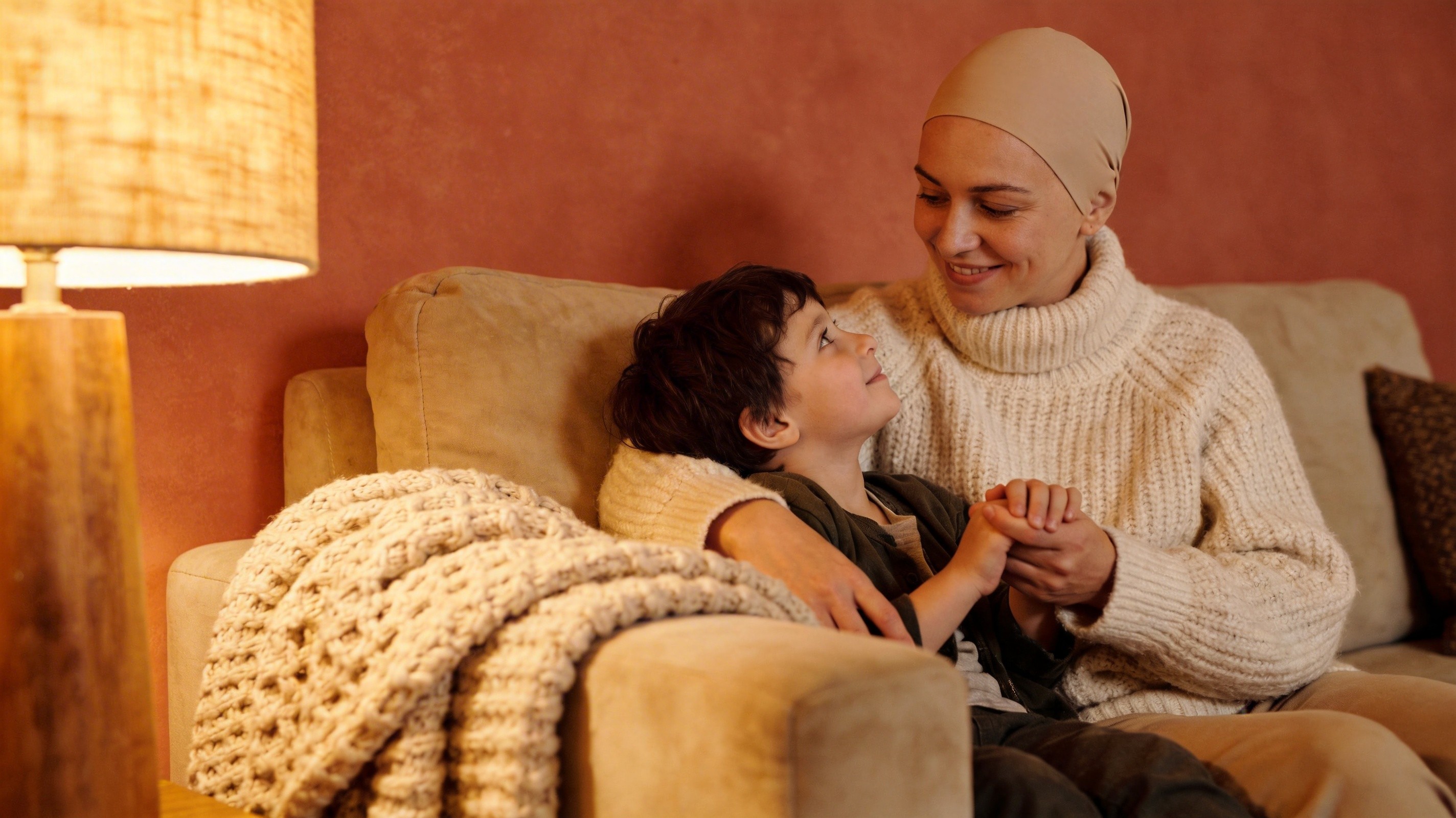
Simple moments become anchors of love. (Illustration 2)
Rebuilding Your Social Ecosystem: Where to Start
After the dust settles, you may find your social landscape sparse. That's okay. Rebuilding is a gradual, intentional process. Consider these steps:
- Join a support community: Whether in‑person or online, connecting with others who've walked a similar path can be profoundly validating.
- Explore gentle social activities: Book clubs, art classes, or walking groups offer low‑pressure ways to meet people without heavy emotional demands.
- Reach out to "weak ties": Sometimes, acquaintances or colleagues can become unexpected friends. A casual coffee invitation can open a new door.
- Embrace solitude as healing: Not every gap needs to be filled. Solitude can be a time for reflection, creativity, and reconnecting with yourself.

- Breaking old ties, building new bridges. (Illustration 3)
The Silver Lining: What Cancer Teaches About Connection
In the end, the realignment forced by illness can lead to a more authentic, fulfilling social life. You learn to distinguish between convenience‑based relationships and those built on genuine care. You develop a radar for depth and honesty. And you discover that a handful of true connections is worth more than a crowded room of superficial ones.
Clara told me in our final session, "I miss some of the people who left, but I don't miss the effort it took to keep them. The ones who stayed—they're my home now."
Conclusion
The earthquake of cancer shakes loose the relationships that were never rooted deeply. It’s painful, but it clears the ground for what can truly thrive. Let go with grace, cherish the keepers, and remember: the love that remains after the storm is the love that will sustain you through whatever comes next.
If you're navigating this realignment, be patient with yourself. Your worth isn't measured by who stays or goes. It's measured by the courage you show in rebuilding your life—one genuine connection at a time.
Article written by Isabella Jackson, Clinical Psychologist specializing in psycho‑oncology and relationship dynamics after serious illness.
Published on March 26, 2026