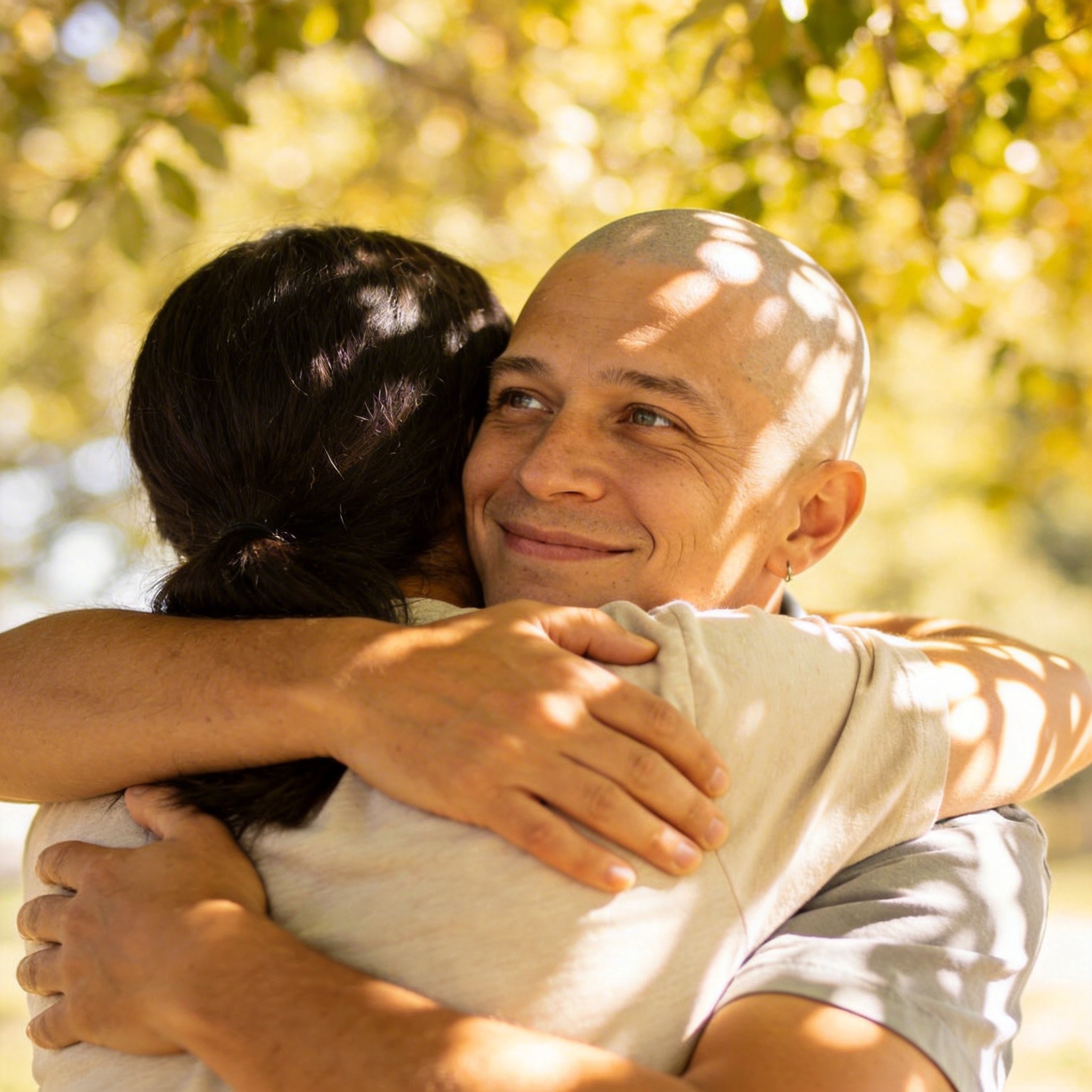
When Chemotherapy Meets Hair Loss: How I Reclaimed My Dignity the Day I Lost My Hair
I woke up to a pillow covered in hair. It wasn't a gradual thinning—it was a sudden, shocking surrender. I stood in the shower and watched clumps swirl down the drain, feeling a part of my identity disappear with them. That day, I cried. But I also made a decision: losing my hair would not mean losing my dignity. Here’s how I navigated the physical and emotional journey of chemotherapy‑induced hair loss, and how you can, too.
The Emotional Weight of Hair Loss
Hair is more than keratin. It's a symbol of health, youth, and personal style. Losing it can feel like a public announcement of illness, a loss of control, a blow to self‑esteem. I felt vulnerable, exposed, and strangely naked. Acknowledging those feelings is the first step toward reclaiming power. It’s okay to grieve. It’s okay to be angry. And it’s okay to decide that you will not let this side effect define you.
Practical Scalp Care During and After Hair Loss
A bare scalp needs gentle attention. Here’s what I learned:
1. **Cleanse with Care**
- Use a mild, fragrance‑free shampoo or a gentle baby wash.
- Wash only when needed—over‑washing can dry the scalp.
- Pat dry with a soft towel; never rub.
2. **Moisturize and Protect**
- Apply a light, non‑greasy moisturizer or aloe vera gel to prevent dryness and itching.
- Sun protection is crucial: Wear a soft hat or use a mineral‑based sunscreen (SPF 30+) whenever outdoors.
- In cold weather, cover your scalp to retain warmth.
3. **Combat Itch and Sensitivity**
- If itching occurs, try a cool compress or a colloidal oatmeal rinse.
- Avoid scratching—keep nails short and clean.
- Consult your care team if redness, rash, or pain develops.
The Wig Decision: To Wear or Not to Wear
Wigs aren't for everyone, but they can be a powerful tool for normalcy. I tried both synthetic and human‑hair wigs. Here’s a comparison:
| Aspect | Synthetic Wig | Human‑Hair Wig |
|--------|---------------|----------------|
| Cost | $50–$300 | $800–$3,000+ |
| Maintenance | Low; holds style after washing | High; needs styling like natural hair |
| Realism | Good, but can look too perfect | Excellent, moves naturally |
| Comfort | Lightweight, often cooler | Heavier, can feel warmer |
| Best for | Temporary use, budget‑conscious | Long‑term wear, desire for versatility |
My choice: I bought one synthetic wig for quick outings and embraced the bald look at home. The wig gave me confidence in public; going bare gave me freedom in private.
Alternative Head Coverings
Wigs aren't the only option. Explore:
- Soft cotton caps: Breathable, comfortable for sleep.
- Fashion turbans: Stylish, easy to tie, available in countless colors.
- Beanies and slouch hats: Casual, cozy, and universally acceptable.
- Scarves: Versatile—learn a few tying techniques for different looks.
I collected scarves in colors that complemented my skin tone. Tying a beautiful scarf became a daily ritual of self‑care, not concealment.
The Day I Shaved My Head
When the shedding became overwhelming, I asked my partner to shave the remaining hair. That act—taking control instead of waiting for it to fall out—was transformative. We played music, laughed, and cried. When the razor stopped, I looked in the mirror and saw not a patient, but a warrior. Shaving can be a rite of passage, a declaration that you are steering the ship.
Rebuilding Self‑Esteem Beyond Hair
Hair loss forced me to redefine beauty and strength. Here’s how I rebuilt:
1. **Focus on What You Can Control**
- Skincare routine
- Nourishing meals
- Gentle exercise
- Creative outlets (I took up watercolor)
2. **Connect with Community**
- Join a support group (in‑person or online).
- Share your story—you’ll find you’re not alone.
- Follow social‑media accounts of cancer survivors who embrace baldness.
3. **Practice Self‑Compassion**
- Talk to yourself as you would to a dear friend.
- Celebrate small victories (getting dressed, taking a walk).
- Allow yourself to have hard days without judgment.
The Unexpected Gifts
In losing my hair, I discovered unexpected gifts:
- Time saved: No more styling, washing, or drying.
- A new aesthetic: I learned to appreciate the shape of my head, my eyes, my smile.
- Deeper connections: People saw me, not my hair. Conversations became more authentic.
- Resilience: I proved to myself that I could endure one of the most visible side effects and still find joy.
A Message to You
If you're facing hair loss, know this: you are more than your hair. Your strength, your humor, your love—those remain intact. Whether you choose a wig, a scarf, or a bare scalp, make the choice that feels right for you. This journey is yours. Own it.
The day I lost my hair, I found a deeper version of myself. And that version is bald, beautiful, and unbreakable.
© Robert Thomas - This article is part of a cancer care blog series.