When my mother started chemotherapy, ginger became our kitchen hero. But after weeks of ginger tea, ginger candies, and ginger-infused everything, she grew tired of it.
That's when I turned to Traditional Chinese Medicine (TCM) and discovered a whole pantry of gentle, food-based remedies that can ease nausea without overwhelming the palate.
These five ingredients—many already sitting in your cupboard—offer variety, simplicity, and centuries of wisdom. Here's how to use them.
The TCM Principle: Food as Medicine
In TCM, food isn't just fuel; it's medicine with specific energetic properties. Nausea is often seen as a "rebellious stomach qi"—energy that should move downward but instead rises. Foods with a descending, cooling, or harmonizing nature can help settle that rebellion.
Unlike pharmaceutical anti-emetics, these kitchen remedies work gently, supporting the body's natural balance.
1. Peppermint – The Cooling Soother
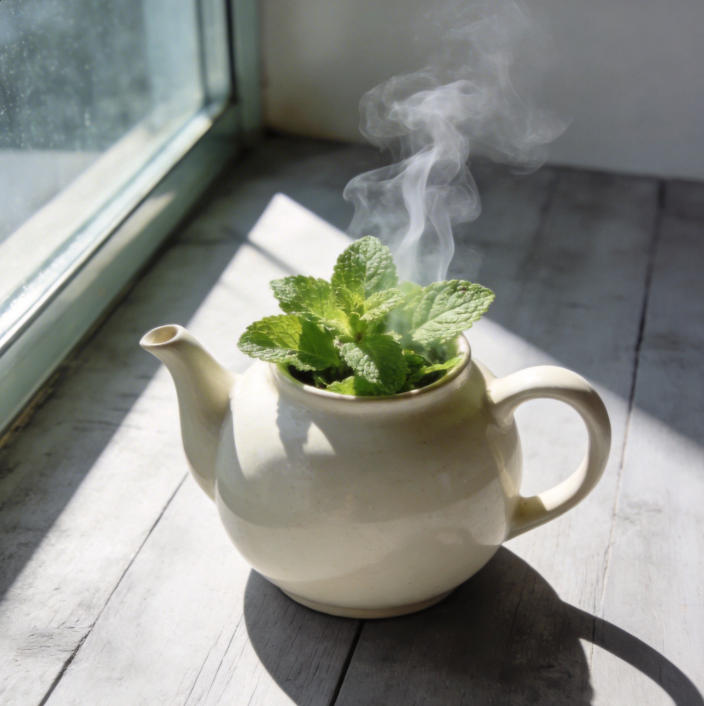
Properties: Cooling, dispersing, aromatic.
Why it works: Peppermint's menthol content relaxes the stomach muscles and encourages downward qi movement. Its fresh aroma can cut through the metallic or medicinal taste that often accompanies chemo.
How to Use
| Instructions | |
|---|---|
| Tea | Steep 1 teaspoon dried peppermint leaves (or a few fresh leaves) in hot water for 5–7 minutes. Sip slowly. |
| Inhalation | Add a drop of food-grade peppermint essential oil to a bowl of hot water, drape a towel over your head, and breathe deeply for 1–2 minutes. |
| Chew | A fresh mint leaf after meals can refresh the mouth and reduce queasiness. |
Caution: Avoid if you have acid reflux, as mint can relax the lower esophageal sphincter.
2. Tangerine Peel (Chen Pi) – The Qi Regulator
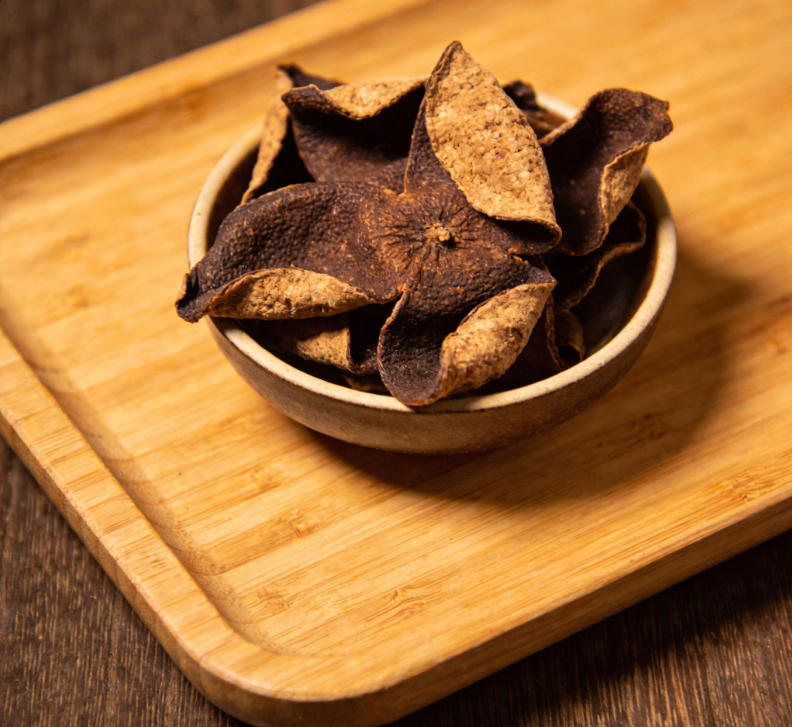
Properties: Warm, aromatic, bitter; regulates qi and resolves dampness.
Why it works: Aged tangerine peel is a classic TCM herb for digestive stagnation. It helps move stuck qi in the middle burner (stomach/spleen), reducing bloating and nausea.
How to Use
| Instructions | |
|---|---|
| Decoction | Simmer a 1-inch piece of dried tangerine peel in 2 cups of water for 10 minutes. Strain and drink warm. |
| Powder | Grind dried peel in a clean coffee grinder, add a pinch to soups or porridge. |
| Snack | Eat a small piece of candied tangerine peel (check for added sugar content). |
Tip: The older the peel, the better. Look for "Chen Pi" in Asian markets or online.
3. Fennel Seeds – The Carminative Comfort
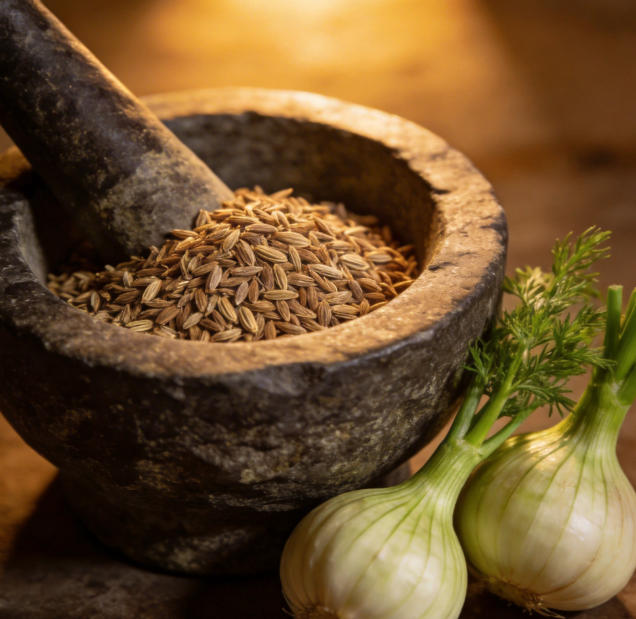
Properties: Warm, sweet, aromatic; promotes digestion and relieves spasms.
Why it works: Fennel seeds contain anethole, which has antispasmodic and anti-inflammatory effects on the gastrointestinal tract. They can ease cramping and nausea.
How to Use
| Method | Instructions |
|---|---|
| Tea | Crush 1 teaspoon fennel seeds lightly, steep in hot water for 10 minutes. Strain and sip. |
| Chew | Slowly chew ¼ teaspoon of seeds after meals (spit out the fibrous residue if swallowing is difficult). |
| Cook | Add whole seeds to rice, soups, or steamed vegetables for a subtle licorice-like flavor. |
4. Hawthorn Berry – The Digestive Aid
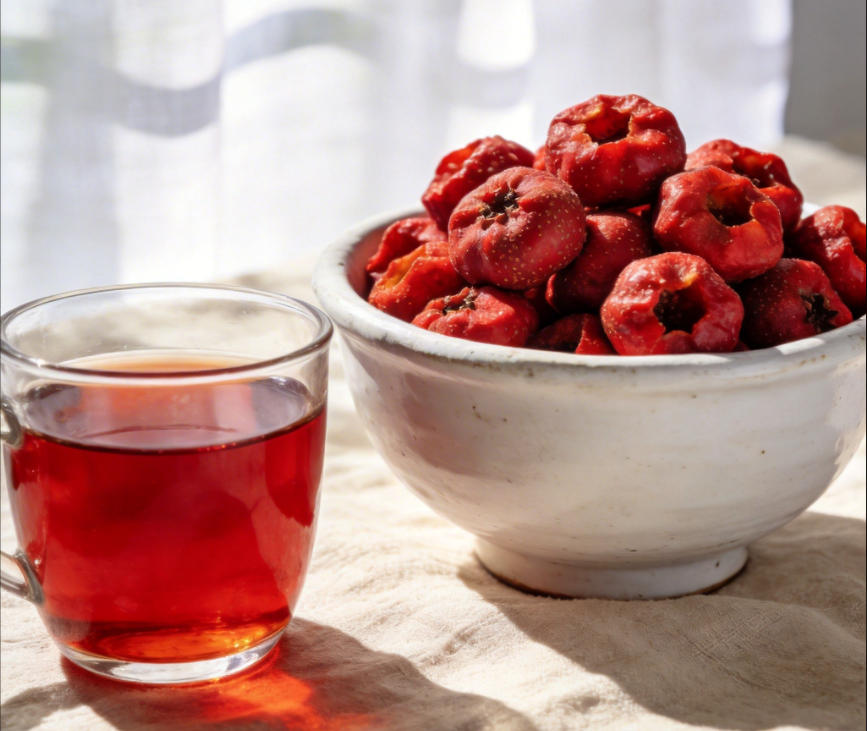
Properties: Slightly warm, sour, sweet; promotes digestion and moves stagnation.
Why it works: Hawthorn is known in TCM to "transform food accumulation." It stimulates gastric secretion gently, helping the stomach process food when appetite is low.
How to Use
| Instructions | |
|---|---|
| Tea | Use dried hawthorn berries (available in health-food stores) – simmer 5–6 berries in 2 cups water for 15 minutes. Sweeten lightly if needed. |
| Jam | Make a simple hawberry jam (cook berries with a little water and honey) to spread on toast. |
| Capsules | Standardized capsules are an option if the taste is too tart. |
Note: Hawthorn is also cardiovascular-supportive, which can be beneficial during treatment.
5. Cardamom – The Warming Harmonizer
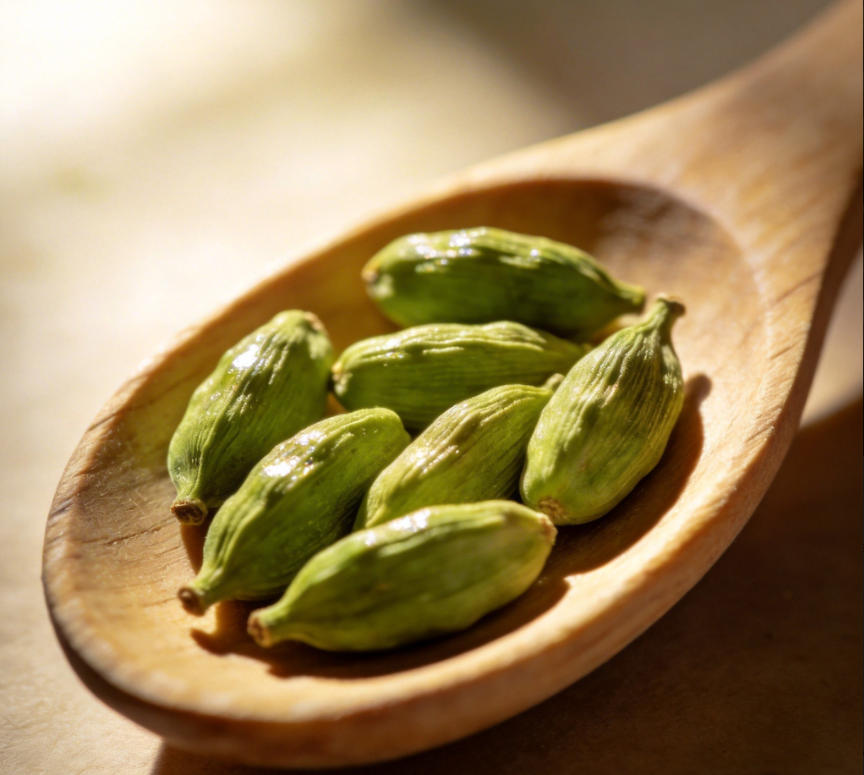
Properties: Warm, pungent, aromatic; warms the middle burner and relieves nausea.
Why it works: Cardamom's warmth counters the cold, contracting quality that chemotherapy can introduce to the body. It harmonizes stomach qi and adds a pleasant flavor.
How to Use
| Method | Instructions |
|---|---|
| Tea | Crush 2–3 cardamom pods, steep with black or herbal tea. |
| In Rice | Add a few pods to rice while cooking for fragrant, stomach-soothing grains. |
| Spice Blend | Mix ground cardamom with a little cinnamon and ginger for a homemade anti-nausea sprinkle. |
Creating a Rotation System
To avoid flavor fatigue, rotate these ingredients throughout the week:
| Day | Remedy |
|---|---|
| Monday | Peppermint tea |
| Tuesday | Tangerine peel decoction |
| Wednesday | Fennel seed tea |
| Thursday | Hawthorn berry jam on toast |
| Friday | Cardamom-spiced rice |
| Weekend | Ginger (back in rotation) |
Safety First
Before adding any new food or herb to your routine:
- Consult your oncology team before adding any new food or herb, especially if you're on multiple medications.
- Start with small amounts to see how your body responds.
- Avoid if you have known allergies to any of these plants.
- Choose organic when possible to minimize pesticide exposure.
The Kitchen as a Sanctuary
During chemotherapy, the kitchen can become a place of dread—the source of food that no longer tastes right. By reintroducing it as a place of gentle healing, you reclaim a piece of normalcy.
These five ingredients aren't miracle cures, but they're accessible, safe, and rooted in a tradition that views food as a partner in health.
Open your cupboard, take stock, and begin experimenting. Your next moment of relief might be just a teaspoon away.