I'll never forget the moment I took a bite of my favorite spaghetti marinara during my second round of chemo, only to be hit with a shocking, metallic bitterness that made me gag. It wasn't just that the food tasted different—it felt like my entire relationship with eating had been poisoned.
That metallic taste, a common side effect of chemotherapy, turned every meal into a battle. But over time, I discovered strategies that helped me navigate this challenge.
Here are five practical, home-tested tips that can help you or your loved one find joy in eating again.
1. Choose Your Utensils Wisely

Metal utensils can amplify the metallic taste. Switch to bamboo, plastic, or ceramic forks, spoons, and knives. Even something as simple as using a silicone-tipped toddler spoon (yes, really!) can make a noticeable difference.
My personal breakthrough came when I used a set of colorful bamboo utensils my niece gave me. Not only did the food taste cleaner, but the cheerful colors lifted my mood, too.
Pro Tip: Keep a dedicated set of non-metal utensils for the patient, and wash them separately to avoid any residual metallic flavor.
2. Harness the Power of Acid and Aroma
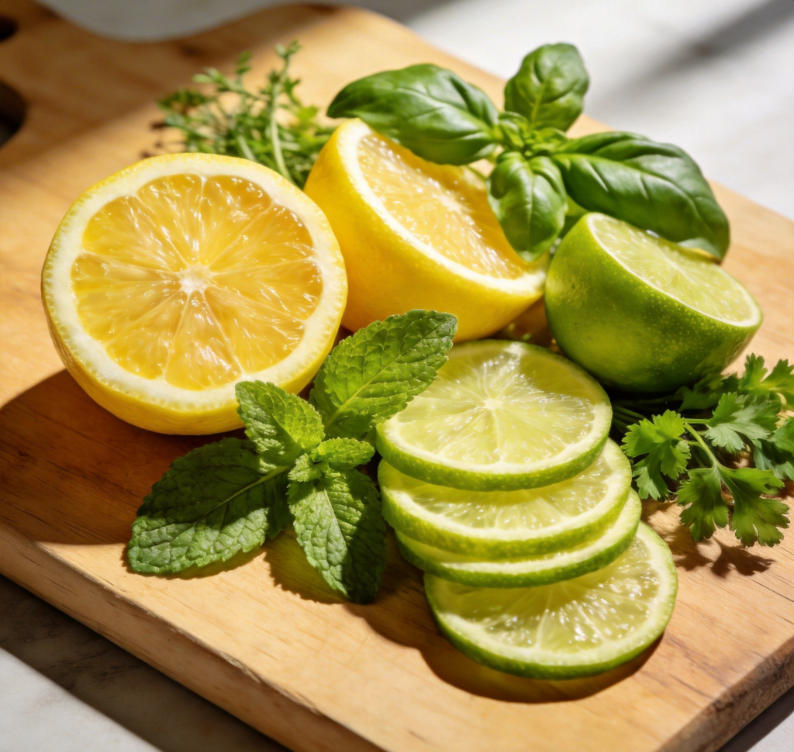
Strong, fresh flavors can cut through the metallic sensation. Try:
- Lemon or lime juice: A squeeze over vegetables, fish, or even plain water
- Vinegar: A dash of apple cider vinegar in soups or dressings
- Fresh herbs: Mint, cilantro, basil, or parsley sprinkled generously
- Aromatic spices: Cinnamon, cardamom, or ginger in teas or oatmeal
I kept a small bowl of lemon wedges on the kitchen counter and made a habit of adding a squeeze to almost everything. The bright acidity not only masked the metal but also stimulated what little appetite I had.
3. Play with Temperature and Texture
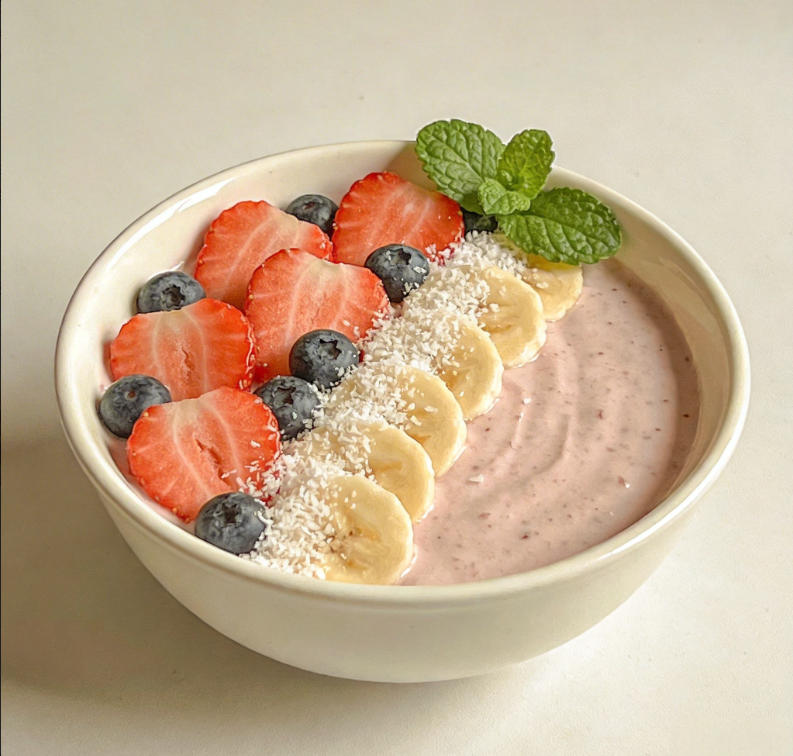
Sometimes changing the physical characteristics of food can trick your palate.
Temperature
Serve food cold or at room temperature. Heat can intensify unpleasant tastes. Chilled pasta salads, smoothies, or yogurt-based dips might be more tolerable.
Texture
- If crunchy foods feel harsh, try soft, creamy alternatives like mashed potatoes, pudding, or scrambled eggs.
- Conversely, if everything tastes mushy, a crisp apple or lightly toasted bread might provide relief.
During my worst weeks, I lived on vanilla Greek yogurt (cold, creamy) and peanut-butter-banana smoothies. They were gentle, required little chewing, and didn't trigger the metallic reaction.
4. Maintain Meticulous Oral Hygiene
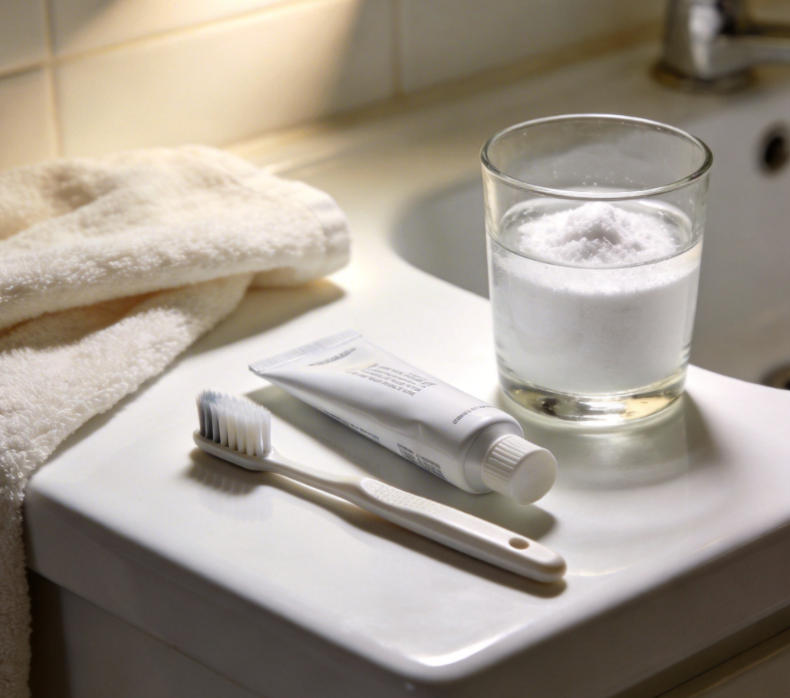
A clean mouth can reduce the lingering metallic taste.
- Brush gently with a soft-bristle toothbrush and non-foaming, mild toothpaste (some find children's toothpaste less irritating).
- Rinse frequently with a baking-soda solution (½ teaspoon baking soda in 1 cup warm water) or a mild, alcohol-free mouthwash.
- Stay hydrated with small sips of water throughout the day to flush away taste-bud irritants.
I set phone reminders to rinse every two hours. It felt like hitting a "reset" button on my taste buds, even if the effect was temporary.
5. Create a Pleasant Eating Environment

Your surroundings influence your perception of taste.
- Eat in a well-ventilated room away from cooking odors that might be nauseating.
- Use colorful plates and napkins—visual appeal can make food seem more inviting.
- Practice mindful eating: Take small bites, chew slowly, and focus on the texture and aroma rather than expecting the usual flavor.
My husband started setting our small table with a bright placemat and a single flower. It felt like a tiny celebration, and that positive association helped me get through a few more bites each time.
A Final Word of Encouragement
The metallic taste is temporary. It will fade after treatment ends.
In the meantime, be patient with yourself. What works one day might not work the next—that's okay. Keep experimenting, and don't hesitate to ask your care team for a referral to a registered dietitian who specializes in oncology.
You are not alone in this struggle. By tweaking the details—the utensils, the flavors, the environment—you can reclaim a measure of control and find moments of pleasure at the table again.