Don't Let These "Anti‑Cancer Miracle Drugs" Trick You: Three Ways to Spot Medical Scams
When my uncle was diagnosed with stage‑3 colon cancer, our family felt the ground give way beneath us. He’d always been the rock—the one who fixed things, who made us laugh, who showed up with a toolbox whenever a pipe leaked. Now, suddenly, he was the one who needed fixing. In the blur of those first weeks, while we were still reeling from the diagnosis, a well‑meaning neighbor slipped him a brochure for a “natural cancer cure” that promised to shrink tumors without chemotherapy, without side effects, without any of the harshness of modern medicine. “It’s been used for centuries,” the leaflet said. “Thousands of testimonials.” My uncle, desperate for any thread of hope, almost fell for it.
That brochure is why I’m writing this today. Because in the vulnerable space between diagnosis and treatment, when fear is loud and hope feels scarce, even the smartest, most cautious people can be tempted by promises that sound too good to be true. And in the world of cancer care, those promises are everywhere—online, in glossy magazines, whispered through social media. They’re packaged as “breakthroughs,” “ancient secrets,” or “miracle supplements.” Their target isn’t just your wallet—it’s your hope.
I spent the next year digging into these so‑called cures. I talked to oncologists, read medical journals, tracked down former sellers, and listened to heartbreaking stories from families who’d been deceived. What I learned wasn’t just a list of bad products; it was a pattern—a set of red flags that, once you see them, make these scams much easier to recognize. Today, I want to share three of those flags with you. Consider them a simple, practical shield you can carry into your own research, so that you can protect your time, your money, and most importantly, your peace of mind.
Why Cancer Scams Thrive
Before we get to the three ways, it helps to understand why these scams find such fertile ground. Cancer is frightening. Treatment can be grueling. The idea of a gentler, “natural” path is deeply appealing—and scammers know that. They also know that standard medical language can feel cold and confusing, while their marketing speaks directly to our emotions: “Take back control.” “Heal your body naturally.” “What your doctor won’t tell you.” This emotional pull, combined with the real complexity of cancer science, creates a perfect opening for deception.
But here’s the truth: real medical progress doesn’t hide. It’s tested, reviewed, and discussed openly. The strategies below are about shifting your attention from the *promise* to the *evidence*—and that small shift can change everything.
1. Look for the Science, Not Just the Story
Every scam has a compelling story. Perhaps it’s a “doctor who discovered a secret cure” suppressed by Big Pharma. Or an “ancient remedy” used by a remote tribe. Stories are powerful—they make us feel, they create connection. But in medicine, stories alone are not enough. What matters is peer‑reviewed clinical evidence.
What to Do:
- Check for published trials. A legitimate treatment will have studies published in reputable medical journals (like *The Lancet*, *JAMA*, *NEJM*). Search the treatment name plus “clinical trial” on PubMed (pubmed.ncbi.nlm.nih.gov).
- Look for phases. Real drug development goes through Phase I (safety), Phase II (efficacy), Phase III (large‑scale comparison), and Phase IV (post‑market). If a product claims to be a “cure” but has only Phase I or no trials at all, that’s a major red flag.
- Beware of “testimonials” as proof. Personal stories can be inspiring, but they are not scientific evidence. Scammers often collect glowing testimonials while ignoring the many people the product didn’t help.
A Personal Note:
When I investigated the supplement my uncle nearly bought, I found a beautiful website full of video testimonials. But PubMed had zero results. The “doctor” behind it had no oncology training. The “centuries‑old tradition” was, in fact, invented a few years ago. The story was elegant; the science was absent.
2. Listen for the Language of Exaggeration
Language is the scammer’s favorite tool. They use words that sound scientific but are actually vague, emotional, or outright false. Learning to spot this language is like learning a secret code.
Red‑Flag Phrases:
- “Miracle cure,” “breakthrough,” “secret remedy,” “100% effective”—real medicine rarely uses these terms because cancer is complex and outcomes vary.
- “Chemo is poison; our treatment is natural”—this false dichotomy preys on fear and ignores that many chemotherapy drugs are derived from natural sources and have saved countless lives.
- “Works for all cancers”—cancer is not one disease. A treatment that claims to cure every type is almost certainly fake.
- “Money‑back guarantee if it doesn’t work”—this sounds reassuring, but it’s often a sales tactic. If the product doesn’t work, your health is the real cost.
What to Do:
- Read the marketing material critically. Highlight any absolute claims (“always,” “never,” “guaranteed”).
- Compare the language to official cancer‑organization websites (like the American Cancer Society or Cancer Research UK). Notice how they use careful, evidence‑based wording.
- If something sounds too simple or too good to be true, it probably is.
My Uncle’s Lesson:
The brochure that almost hooked him said, “Forget the suffering of chemo. Our gentle formula targets cancer cells and leaves healthy cells untouched.” That’s a fantasy. Even the most targeted therapies have side effects and limitations. The moment I read that line, I knew we were looking at a scam.
3. Bring a Professional into the Conversation
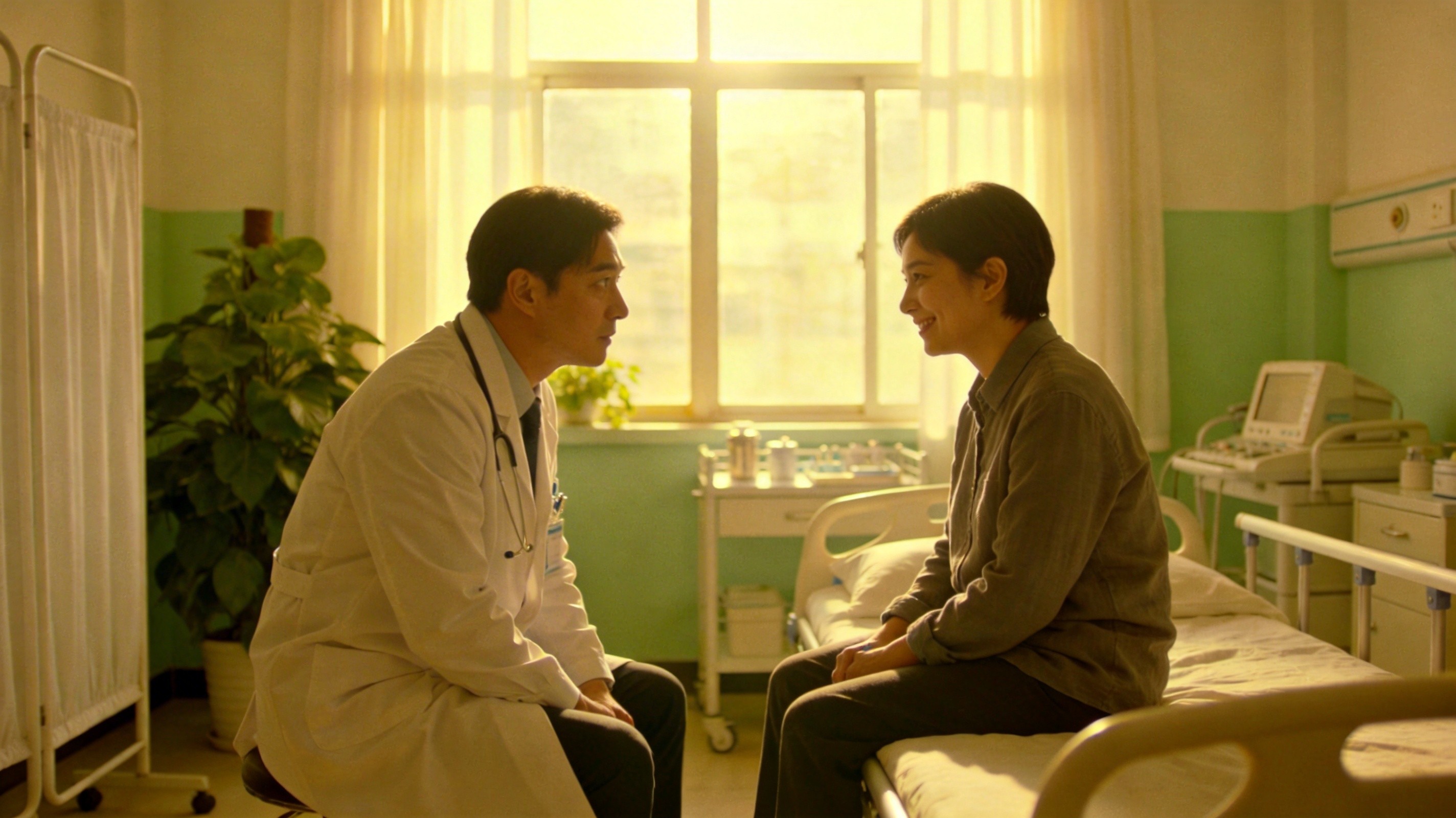
This is the most important step. When you encounter a treatment that intrigues you—whether it’s a supplement, a device, or a dietary program—talk about it with your oncology team. They are your allies, not your adversaries.
Why This Works:
- Your doctor knows your specific cancer, your overall health, and your treatment plan. They can evaluate whether a new product might interfere with your current care.
- They have access to medical databases and can quickly check for known risks or interactions.
- They’ve likely seen other patients try similar products and can share those experiences (without violating privacy).
How to Have the Conversation:
- Be open. Say, “I came across this product and I’m curious. Can you help me understand what the evidence says?”
- Bring the information with you—the website, the ingredients, the claims.
- Listen to their feedback. If they express concern, ask why. If they support further research, ask for trusted sources.
A Story of Trust:
After my uncle’s near‑miss, we made a pact: no new treatment, no supplement, no “alternative” approach without discussing it first with his oncologist. That simple agreement lifted a huge weight. He could focus on his healing instead of second‑guessing every choice. And when a friend later recommended another “miracle” supplement, he smiled and said, “I’ll run it by my doctor.” That’s empowerment.
Putting It All Together
Spotting a cancer scam isn’t about being cynical. It’s about being curious and careful. It’s about honoring your hope by directing it toward things that are truly hopeful—evidence‑based medicine, a supportive care team, and your own resilience.
The three steps are a filter:
- Science over story—look for published clinical trials.
- Evidence over exaggeration—watch for red‑flag language.
- Consultation over isolation—bring your questions to your medical team.
Use them when you’re browsing online, when a well‑meaning friend shares a link, when you’re lying awake at night searching for answers. They won’t make the cancer journey easy, but they can help keep it honest.
A Final Word of Hope
My uncle completed his chemotherapy two years ago. He’s in remission now, tending his garden and telling terrible jokes again. His path wasn’t magical—it was medical. It was hard, but it was real. And in the end, reality—with all its complexity and uncertainty—is far more trustworthy than any miracle.
You are not alone in navigating this. Your medical team, your loved ones, and even strangers like me are rooting for you. Hold on to that. And when in doubt, remember: the most powerful medicine is often the one that’s been tested, talked about, and trusted by the people who dedicate their lives to healing.
---
*This article is part of a series dedicated to providing practical, compassionate guidance for cancer patients and their families. Always consult your healthcare provider before making any changes to your treatment plan.*
© Ava Harris - This article is part of a cancer care blog series.