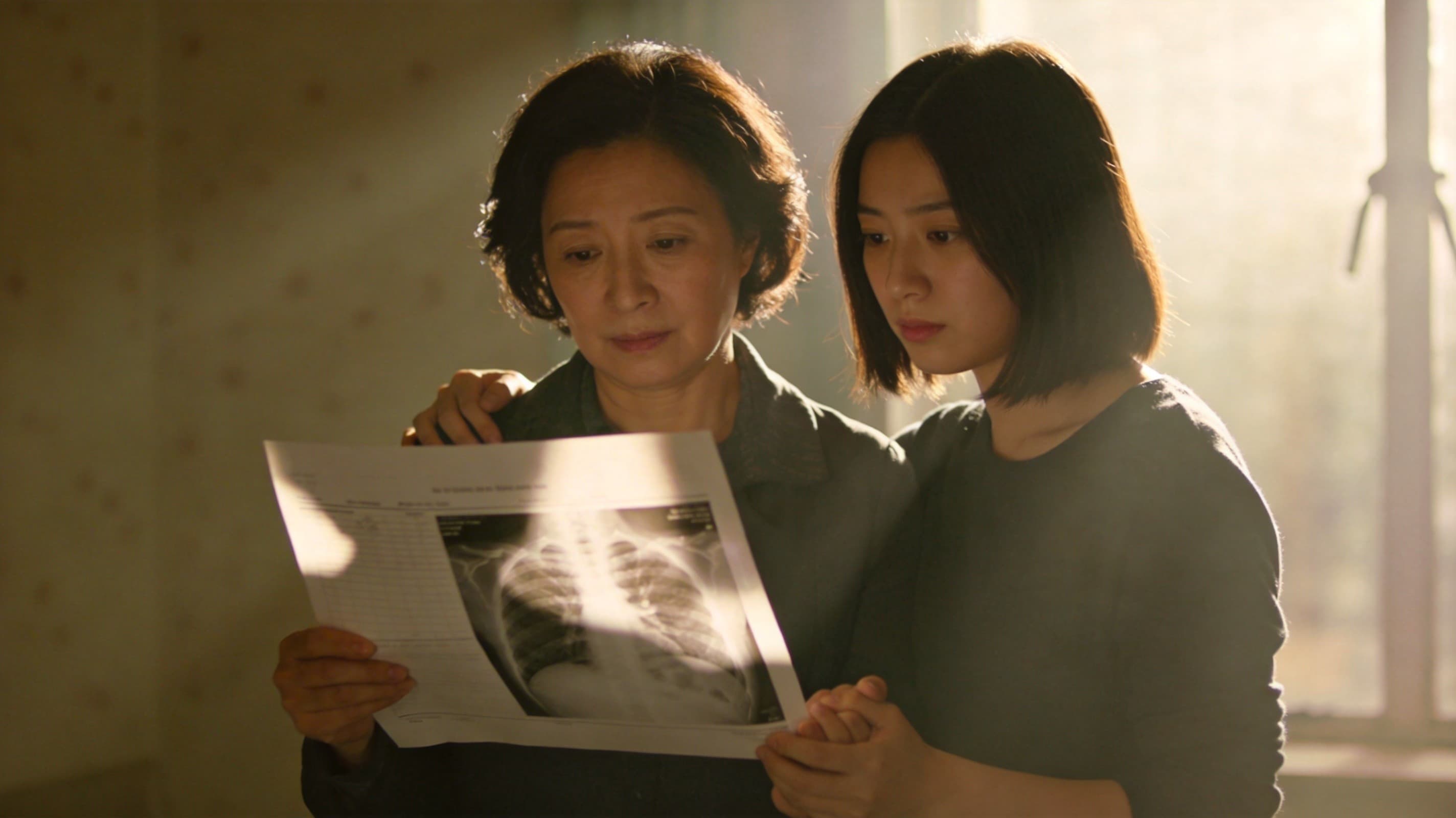
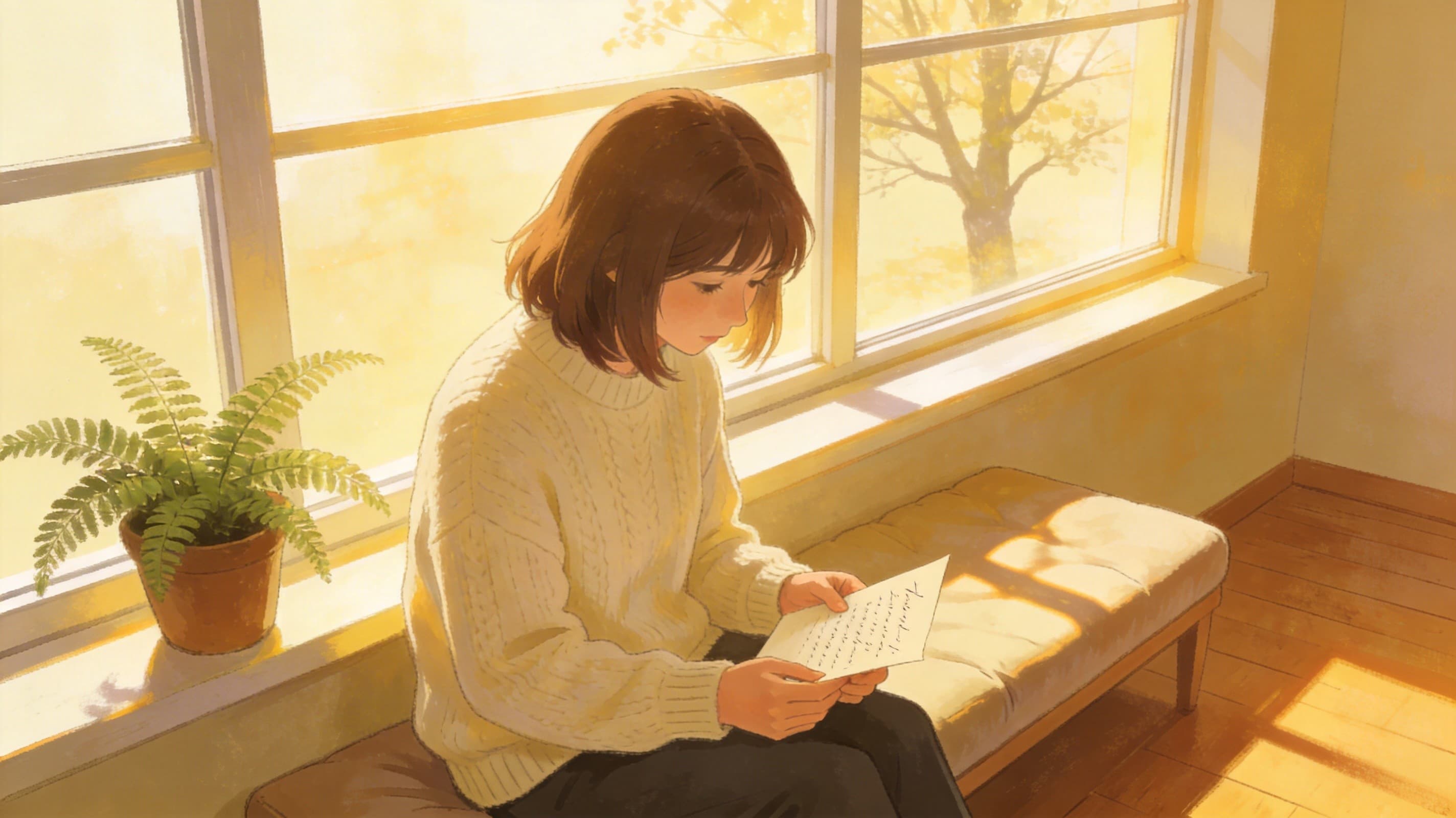
I remember sitting in my office with Clara – a 54-year-old breast cancer survivor who had just completed her last round of chemotherapy six months ago. She looked out the window and said, "I feel like I'm experiencing an earthquake that only I can feel. Others were still walking on solid ground, and they couldn't understand why I was shaking. "
Clara's metaphor captures a core truth. Life-threatening illnesses can cause upheaval in perspective, priorities, and emotional needs. And the people around you, no matter how well-intentioned, may not feel that tremor. This disconnect can manifest itself in several ways:
- Fear and powerlessness: Some friends or relatives withdraw because they don't know what to say or do. They are afraid of saying the wrong thing or feeling powerless in the face of your pain.
- Emotional "burdens": Your raw emotions – fear, anger, sadness – can be overwhelming for others, especially those who like to keep their lives organized and positive.
- Change of interests: When survival becomes your core focus, small talk about holidays or TV shows can seem trivial. This shift creates distance.
- Mirror effect: Your illness reminds others of their own vulnerability. For some, the mapping is too uncomfortable to face.
Understanding these dynamics is the first step towards releasing resentment. This is rarely for you personally; It's about the limitations of human nature.

Find understanding in shared experiences. (Illustration 1)
Letting go without bitterness: the art of graceful letting go
One of the hardest lessons to learn after cancer is to learn to let go of relationships that no longer serve you – especially if the other person takes the initiative to distance themselves. Here are three that can help you shift your mindset:
1. Think of it as a natural pruning
Just as gardeners prune trees for healthy growth, life sometimes prunes our social circles. Relationships that fade often cannot withstand the most violent storms of life. Their departure creates space for a deeper, more resilient connection.
2. Practice compassionate detachment
Instead of asking, "Why did they leave me?" Why not try asking, "What have they experienced that makes it difficult for them to stay?" "This reframing shifts you from a victim mentality to empathy.
3. Cherish the beauty of the past
Even if a friendship ends, it is likely that it brought joy or support in the early days. Silently thank it for everything it gives you and let go.
"Those who are destined to stay will find a way to cross the bridge with you. Those who don't will stop on the shore. Neither is a judgment of your worth – but a reflection of their abilities. —— Excerpt from my notes with Clara
Guardians: Recognize and cherish your true support network
While some relationships will fade, others will deepen in amazing ways. These are your guardians – those who show up, listen without rushing to solve problems, and provide quiet and stable company. They could be family, old friends, or even new acquaintances in a support group.
How to identify and nurture these precious bonds
They tolerate uncertainty: they don't need you to stay positive or "strong". They sit with you in scary, uncharted territory.
They offer practical help: instead of saying "let me know if you need anything," they will bring a meal, drive you to an appointment, or help with chores.
They remember the little things: they'll ask about your recent scan, remember your favorite tea, or send a text message on a difficult anniversary.
Cherishing these relationships means expressing gratitude, giving back when you can, and protecting your time together.
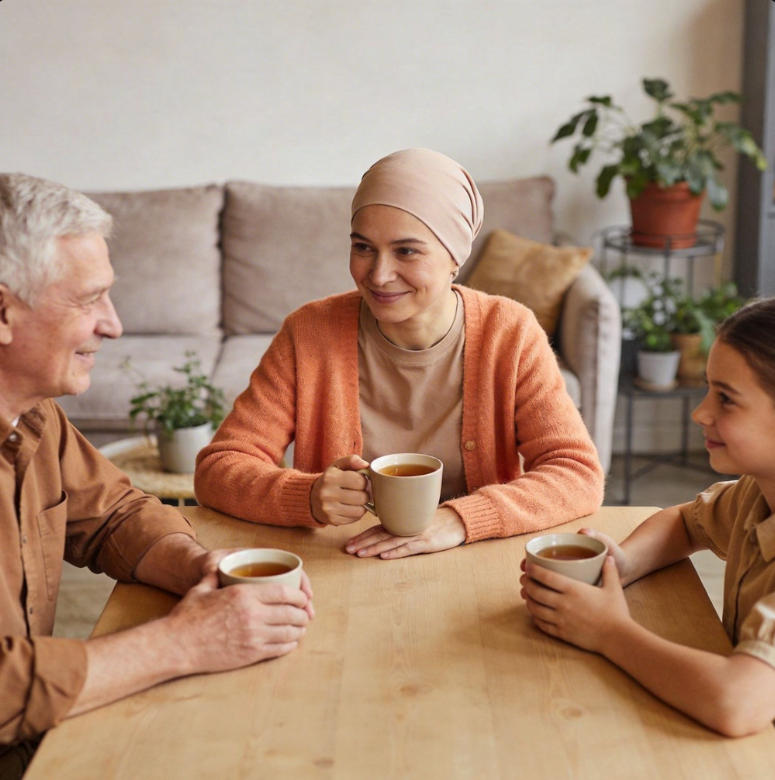
Simple moments become the anchor of love. (Illustration 2)
Reinventing the Social Ecosystem: Where to Start
When the dust settles, you may find that your social landscape has become thinner. That's okay. Reinvention is a gradual, intentional process. Consider the following steps:
- Join a Supportive Community: Whether offline or online, connecting with others who have walked similar paths can lead to a deep sense of identity.
- Explore Gentle Social Activities: Book clubs, art classes, or walking groups offer a low-stress way to socialize without the heavy emotional burden.
- Contact "weak relationships" : Sometimes, acquaintances or colleagues can become unexpected friends. A casual coffee invitation can open new doors.
- Embrace the healing of solitude: not every void needs to be filled. Alone can be a time for reflection, creativity, and reconnecting with yourself.

Break the old chain and build a new bridge. (Illustration 3)
The silver lining: What cancer teaches us about connection
Ultimately, the relationship restructuring forced by the disease can lead to a more authentic and fulfilling social life. You learn to distinguish between relationships based on convenience and relationships built on genuine care. You develop a keen sense of depth and honesty. And you find that a few genuine connections are more valuable than a room full of superficial relationships.
Clara told me during our last meeting: "I miss some of the people who left, but I don't miss the effort it takes to sustain them. Those who stayed – they are now my home. "
Epilogue
The earthquake of cancer shakes relationships that have never been deeply rooted. It's painful, but it clears the ground for things that really thrive. Let go gracefully, cherish your guardian, and remember: the love left behind after the storm will sustain you through everything that lies ahead.
If you are going through this restructuring, be patient with yourself. Your worth is not measured by who stays or leaves. It is measured by the courage you show as you rebuild your life – one genuine connection at a time.