The Day I Realized Food Could Be Medicine
I'll never forget the look on my client Sarah's face when she told me she hadn't eaten a proper meal in weeks.
"Everything tastes like metal," she said, her eyes weary from another round of chemotherapy. "I'm hungry, but the thought of eating makes me nauseous."
As a holistic nutrition coach specializing in cancer care, I've heard variations of this story countless times. But each time, it reminds me of a fundamental truth: when you're fighting cancer, food isn't just fuel—it's part of your treatment team.
Over my years working with cancer patients, I've seen how nutritional support can transform not just physical strength, but emotional resilience. I've watched clients go from struggling to swallow a few bites to preparing simple, nourishing meals that brought them both comfort and control.
This journey isn't about perfect diets or restrictive rules. It's about finding what works for your body today, in this moment of your treatment. In this guide, I want to share practical strategies that have helped my clients maintain their strength and find pleasure in eating again. These aren't one-size-fits-all solutions, but rather a collection of gentle approaches you can adapt to your unique needs.
Remember: every small step toward nourishment is a victory.
Why Nutrition Matters During Cancer Treatment
When you're undergoing cancer treatment, your body is working overtime. Chemotherapy, radiation, and surgery create immense physical demands while simultaneously affecting your appetite and ability to digest food.

적절한 영양은 여러 중요한 방식으로 치료를 지원합니다:
- 근력과 에너지 유지: 치료는 상당한 체중 감소와 근육 소모를 초래할 수 있습니다. 적절한 칼로리와 단백질은 몸의 자원을 보존하는 데 도움이 됩니다.
- 면역 기능 지원: 면역 체계는 특히 암과 치료 부작용과 싸울 때 최적의 기능을 위해 특정 영양소가 필요합니다.
- 치유 촉진: 수술 및 기타 중재는 조직 회복과 회복을 위해 추가적인 영양소가 필요합니다.
- 부작용 관리: 특정 음식은 메스꺼움, 구내염, 미각 변화 및 기타 일반적인 치료 관련 문제를 완화하는 데 도움을 줄 수 있습니다.
- 삶의 질 향상: 편안하게 식사할 수 있는 것은 정서적 웰빙과 정상적인 삶의 감각에 크게 기여합니다.
목표는 완벽함이 아니라, 현재 몸의 능력에 맞는 일관되고 부드러운 영양 공급입니다.
일반적인 영양 문제와 부드러운 대응
암 치료는 사람마다 다르게 영향을 미치지만, 어떤 도전은 거의 보편적입니다. 다음은 이를 헤쳐 나가는 실용적인 방법들입니다:
1. 미각 변화 (디세우시아)
많은 환자들이 음식의 금속맛, 쓴맛, 혹은 단순히 '이상하다'고 묘사합니다. 이는 종종 화학요법이 미각에 영향을 주기 때문에 발생합니다.
도움이 되는 방법:
- 다양한 온도를 실험해 보세요—때로는 차가운 음식이나 상온 음식이 뜨거운 음식보다 더 견딜 만할 수 있습니다
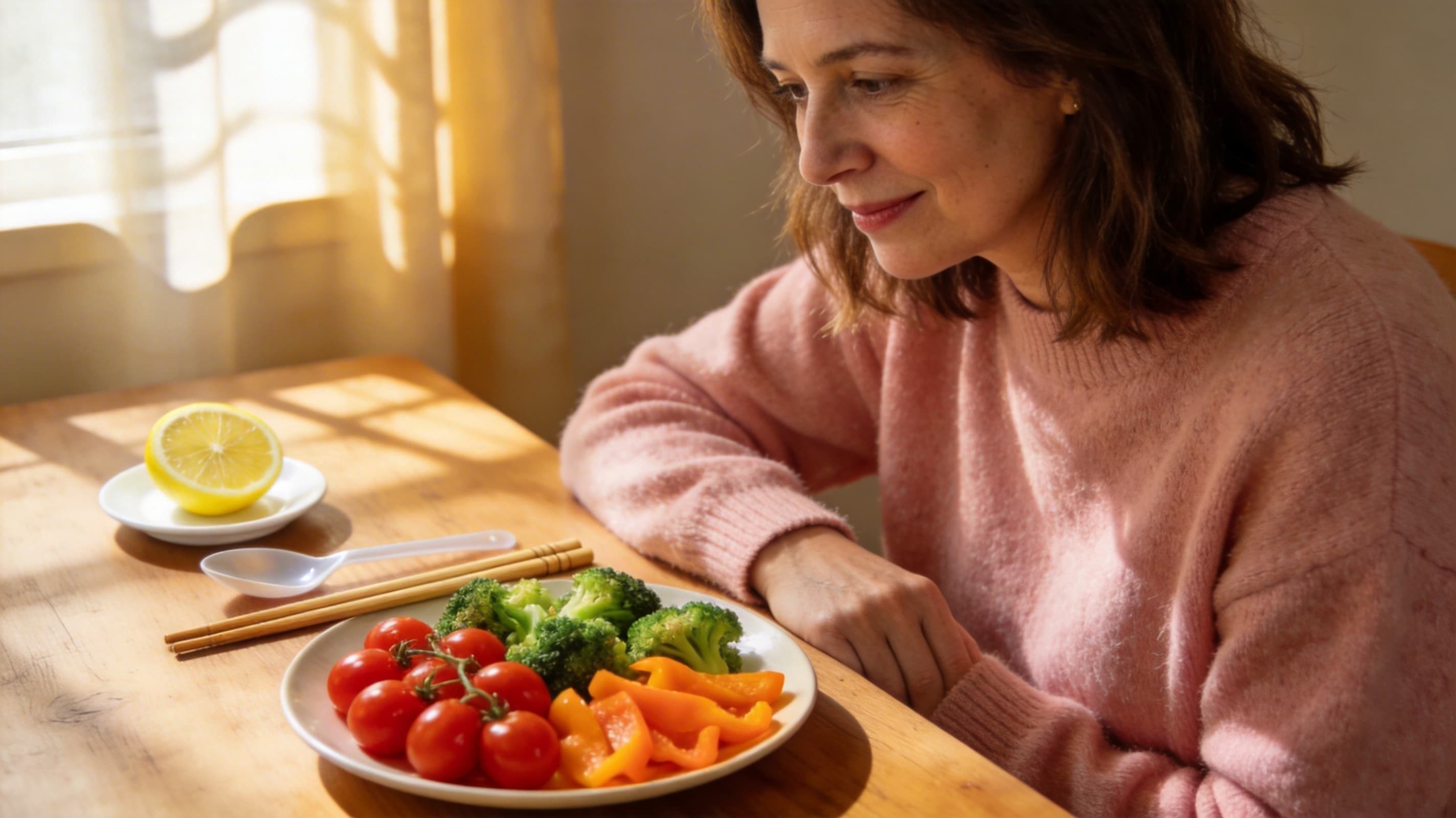
- 금속 맛이 느껴지면 금속 대신 플라스틱 식기를 사용하세요
- 고기를 감귤, 식초, 단 소스에 재워 불쾌한 맛을 가리세요
- 평소 취향과 다를지라도 여전히 마음에 드는 음식에 집중하세요
- 레몬, 라임, 절인 채소 같은 신맛이나 새콤한 맛을 시도해 보세요
2. 메스꺼움과 식욕 부진
아마도 가장 흔한 부작용은 메스꺼움으로, 음식에 대해 생각하는 것조차 어렵게 만들 수 있습니다.
도움이 되는 방법:
- Eat small, frequent meals instead of three large ones
- Keep simple snacks like crackers, toast, or plain rice within easy reach
- Ginger (tea, candies, or grated fresh) has natural anti-nausea properties
- Avoid cooking smells by having someone else prepare meals or using ready-made options
- Sip fluids slowly throughout the day rather than drinking large amounts at once
3. Fatigue and Low Energy
When you're exhausted, preparing food feels impossible.
What helps:
- Prepare simple meals in batches when you have energy, then freeze individual portions
- Keep nutrient-dense snacks like nuts, cheese, or hard-boiled eggs readily available
- Use convenience items without guilt—canned beans, frozen vegetables, and pre-cut produce
- Accept help when offered—let friends or family prepare meals for you
- Focus on "eating for energy": prioritize protein and complex carbohydrates
4. Mouth Sores and Difficulty Swallowing
Oral mucositis can make eating painful or impossible.
What helps:
- Choose soft, moist foods like mashed potatoes, yogurt, pudding, or smoothies
- Avoid acidic, spicy, or rough-textured foods that might irritate sores
- Use a straw to bypass painful areas in the mouth
- Try nutritional supplement drinks if solid food is too difficult
- Keep foods at room temperature or slightly cool
Simple Nutrition Strategies That Make a Difference
You don't need complicated recipes or special ingredients to nourish yourself well. These straightforward approaches can help:
The Protein Priority
Protein is essential for maintaining muscle mass and supporting immune function. Aim to include a protein source at every meal and snack.
Easy protein ideas:
- Greek yogurt or cottage cheese
- Eggs prepared any way you can tolerate them
- Canned tuna or salmon (mixed with mayo or avocado)
- Nut butters spread on crackers or apple slices
- Lentils or beans blended into soups
- Chicken or turkey shredded into soft dishes
Hydration Beyond Water
Staying hydrated is crucial, but plain water can sometimes feel unappealing.
Alternative hydration:
- Herbal teas (peppermint, chamomile, ginger)
- Broth or clear soups
- Fruit-infused water (add slices of citrus, berries, or cucumber)
- Diluted fruit juice
- Electrolyte drinks if recommended by your healthcare team
The "Little and Often" Approach
Instead of forcing yourself to finish a full meal, give yourself permission to eat smaller amounts throughout the day.
How to implement:
- Set gentle reminders to eat something every 2-3 hours
- Keep a "snack station" by your bed or favorite chair
- Pre-portion snacks into small containers so they feel manageable
- Listen to your body's cues—eat when you feel able, rest when needed
Three Simple Recipes for Difficult Days
These recipes require minimal effort and use ingredients that are generally well-tolerated.
1. Gentle Ginger Rice Porridge
For days when your stomach feels unsettled

Ingredients:
- ½ cup white rice
- 3 cups water or broth
- 1-inch piece fresh ginger, peeled and sliced
- Pinch of salt
Instructions:
- Combine all ingredients in a pot
- Bring to a boil, then reduce to a simmer
- Cook for 45-50 minutes, stirring occasionally, until rice is completely broken down
- Remove ginger slices before eating
- Serve warm in small bowls
2. Creamy Avocado Protein Smoothie
When you need nutrition but can't face solid food

Ingredients:
- ½ ripe avocado
- ½ cup plain Greek yogurt
- ½ cup milk (dairy or non-dairy)
- 1 tablespoon honey or maple syrup (optional)
- Ice cubes
Instructions:
- Combine all ingredients in a blender
- Blend until smooth and creamy
- Add more liquid if needed to reach desired consistency
- Drink immediately
3. Soothing Turmeric Lentil Soup
Comforting and nutrient-dense

Ingredients:
- 1 cup red lentils, rinsed
- 4 cups vegetable or chicken broth
- 1 teaspoon turmeric powder
- ½ teaspoon cumin
- Salt to taste
Instructions:
- Combine lentils and broth in a pot
- Bring to a boil, then reduce to a simmer
- Add turmeric and cumin
- Cook for 20-25 minutes until lentils are soft
- Blend with an immersion blender for a smooth texture if preferred
- Season with salt and serve warm
The Emotional Side of Eating with Cancer

Beyond the physical challenges, eating during cancer treatment carries emotional weight. Food is often tied to identity, culture, memory, and pleasure. When treatment changes your relationship with food, it can feel like losing a part of yourself.
Acknowledge the grief: It's okay to mourn the foods you used to enjoy or the meals you can no longer share in the same way.
Find new rituals: Maybe you can't eat your grandmother's recipe right now, but you could smell the spices or have someone describe the taste to you.
Embrace flexibility: What works one day might not work the next. Allow yourself to adapt without judgment.
Celebrate small victories: Finishing half a bowl of soup, trying a new food, or simply sitting at the table—these are all accomplishments.
When to Seek Professional Help
While these strategies can help many people, there are times when professional support is essential:
- Unintentional weight loss of more than 5% of your body weight
- Inability to eat or drink for 24 hours
- Severe pain when swallowing
- Persistent nausea or vomiting
- Concerns about specific dietary restrictions or interactions
Most cancer centers have registered dietitians who specialize in oncology nutrition. Don't hesitate to ask your healthcare team for a referral.
Your Nourishment Journey
I want to leave you with this thought: your relationship with food during treatment is a journey, not a destination.
There will be good days and difficult days. Foods that work and foods that don't. Moments of pleasure and moments of frustration.
Be gentle with yourself. Listen to your body. Celebrate what you can do today without worrying about yesterday or tomorrow.